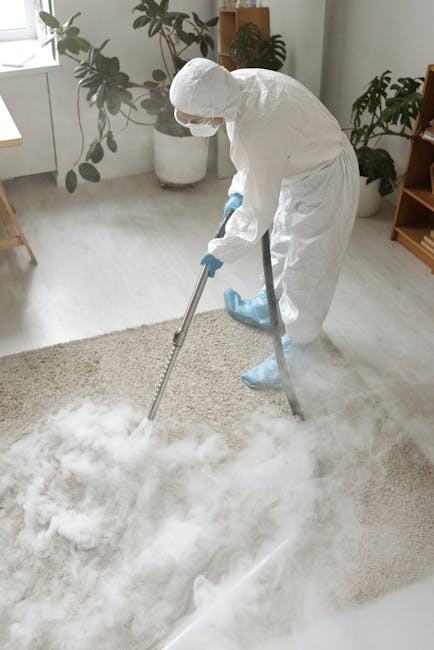
Urgent flood carpet cleaning Kennington what to expect
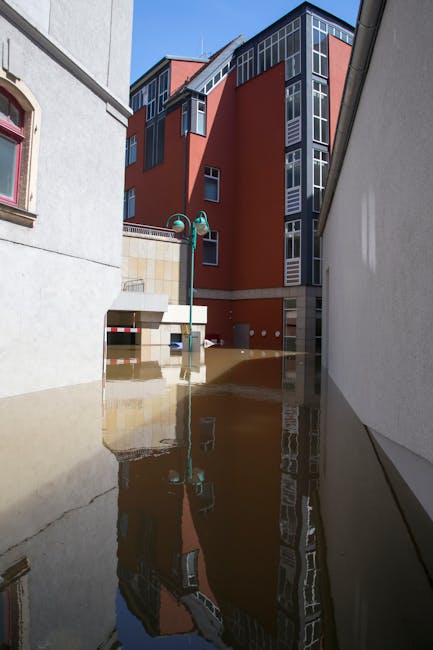
If your carpet has just been hit by a leak, overflow, or stormwater, the clock starts ticking fast. In that first stressful hour, people usually want two things: to stop the damage spreading and to know what happens next. This guide on Urgent flood carpet cleaning Kennington what to expect explains the process in plain English, so you can make calm decisions even when the room smells damp and everything feels a bit upside down.
You will find out how emergency carpet cleaning usually works, what a proper visit should include, where delays can creep in, and how to prepare your home before help arrives. We will also cover safety, drying, pricing questions, and the mistakes that turn a manageable flood into a much bigger problem. Truth be told, a rushed but sensible response often saves more than people expect.
- Why it matters
- How it works
- Key benefits
- Who needs this service
- Step-by-step guidance
- Expert tips
- Common mistakes to avoid
- Tools, resources and recommendations
- Compliance and best practice
- Options and comparison
- Real-world example
- Practical checklist
- Conclusion
- Frequently asked questions
Why Urgent flood carpet cleaning Kennington what to expect Matters
Flooded carpet is not just a cleaning issue. It is a timing issue, a drying issue, and sometimes a health issue as well. Once water reaches the carpet fibres, backing, underlay, and subfloor, the job becomes more than "vacuum and shampoo". The longer moisture sits, the more likely you are to see staining, odour, mould growth, and permanent damage to the carpet structure.
In Kennington, that urgency matters even more because many homes are a mix of older flats, converted properties, and busy rental spaces. A small leak under a radiator or from a washing machine can travel further than people realise. You may only see a damp patch on top, while underneath the underlay is already soaked. That is the sneaky bit. The visible part is often not the worst part.
Emergency carpet cleaning is about limiting damage early. That might mean water extraction, controlled drying, specialist cleaning, and checking nearby materials such as skirting boards or upholstery. It can also mean deciding that a carpet is salvageable before you spend money on replacement. And yes, sometimes replacement is the right call. A good cleaner should tell you that honestly rather than pretending every carpet can be rescued.
If you are comparing services and want a broader sense of what professional cleaning can cover, it helps to look at carpet cleaning alongside related services such as deep cleaning and one-off cleaning. The right approach depends on how much water got in, what type of water it was, and how long the carpet stayed wet.
Expert summary: The first 24 hours matter most. Fast assessment, proper extraction, and realistic drying advice usually make the biggest difference to whether a flood-damaged carpet can be saved.
How Urgent flood carpet cleaning Kennington what to expect Works
The process usually starts with a phone call or message where the cleaner asks a few practical questions. Expect questions about the source of the water, how long the carpet has been wet, whether the water was clean or contaminated, and what areas are affected. That is not small talk. It helps the cleaner decide what equipment and time window are needed.
Once on site, a proper visit often begins with an inspection. The technician will look at carpet type, underlay condition, room layout, access, ventilation, and any nearby materials that could hold moisture. They may also test the floor covering, lift a corner of carpet if appropriate, and decide whether the water needs to be removed immediately before any cleaning can begin.
In many cases, the first technical step is extraction. This means removing as much water as possible using specialist wet vacuum equipment. If the carpet is only lightly flooded, extraction may be enough to get it back to a stable point before cleaning. If the fibres are heavily saturated, the focus may shift to drying and sanitising rather than trying to "wash" the carpet right away. That part is important. Washing a soaked carpet too early can push moisture deeper and make the problem worse. A bit counterintuitive, but very real.
After extraction, the cleaner may treat the area with a suitable cleaning solution and, where needed, a deodorising or sanitising treatment. This should be done carefully. The aim is to remove residues and reduce odour without leaving the carpet overly wet or sticky. If the flood water came from a dirty source, stronger hygiene measures may be required, and some materials may need specialist attention.
Finally comes drying. That can involve air movers, dehumidification, opening up the room safely, and scheduling a return check. Good drying is not a quick blast and hope-for-the-best job. It is measured. You want moisture reduced steadily, not trapped under the pile because the top looks dry while the backing is still holding water.
If the problem is part of a wider household disruption, related services such as house cleaning or domestic cleaning may be useful once the immediate flood risk is under control. For rental moves or turnover situations, end of tenancy cleaning can also come into the conversation after the carpet has been stabilised.
Key Benefits and Practical Advantages
The obvious benefit is getting your room back to a usable state. But the real value of urgent flood carpet cleaning is broader than that. Done properly, it reduces the risk of mould, limits odour, helps preserve the carpet backing, and can prevent damage spreading into adjacent rooms or walls.
- Less long-term damage: quick extraction and drying can stop fibres, underlay, and subfloor from deteriorating.
- Better odour control: damp carpets can smell musty surprisingly quickly, especially in enclosed rooms.
- More chance of saving the carpet: early intervention often makes a repair or restoration possible.
- Reduced disruption: with a proper plan, you may avoid tearing up flooring unnecessarily.
- Clearer next steps: a technician can tell you whether the carpet is drying well or whether replacement should be considered.
There is also a quieter benefit that people often overlook: peace of mind. When water is pooling where your feet should be, it is very hard to think clearly. A good professional brings some order back into the room. They can tell you what is urgent, what can wait, and what is probably fine. That clarity is worth a lot when you are standing there with towels, a torch, and a mildly ridiculous amount of stress.
Who This Is For and When It Makes Sense
This service makes sense for anyone dealing with carpet saturation, not just a dramatic flood. Small incidents can be just as troublesome if they are left too long. For example, a burst appliance hose, a toilet overflow, a radiator leak, or a rainwater ingress through a window can all leave carpets badly affected.
You may need urgent cleaning if:
- water has pooled on the carpet for more than a short period
- the room smells damp or stale
- the carpet feels spongy underfoot
- you can see discolouration, tide marks, or lifting edges
- the carpet is in a flat, rental, office, or busy family home where drying time is limited
It is especially relevant if you live in a property with older materials, fitted carpet over underlay, or rooms that are harder to ventilate. Flats and basement spaces can be tricky. So can rooms with heavy furniture, where moisture hides in awkward corners. Sometimes people think, "It's just one patch." Then you lift the sofa later and, well, surprise. Not a nice one.
If the flood has affected furniture or soft furnishings as well, you may need support from sofa cleaning or upholstery cleaning. Rugs can also trap moisture and odour, so rug cleaning may be worth considering if they were in the affected area.
Step-by-Step Guidance
Here is the clearest way to think about the process from first spill to final dry carpet. Not every job follows this sequence exactly, but it is a useful expectation framework.
- Stop the water source if you can. Turn off the appliance, shut the valve, or isolate the room safely. If you cannot do it safely, don't turn it into a heroic movie scene.
- Protect the area. Move dry items out of the room and keep people off the carpet where possible.
- Contact an urgent cleaner. Explain the source, area affected, and how long the carpet has been wet.
- Expect a quick assessment. Good questions from the cleaner usually mean better results later.
- Extraction comes first. Water is removed as much as possible before any deeper cleaning.
- Cleaning and treatment follow. The cleaner may use a suitable solution for the carpet fibre and the water type.
- Drying is monitored. Airflow, temperature, and moisture levels matter more than appearances.
- Recheck if needed. A return visit may be sensible to confirm the carpet is dry beneath the surface.
One practical point: if the underlay is badly soaked, the surface may dry faster than the layers beneath it. That is why a cleaner may advise keeping the room clear for longer than you expected. It is annoying, yes. But it prevents the dreaded "looks fine now, smells bad later" situation.
Expert Tips for Better Results
The best outcomes usually come from calm, simple actions rather than over-cleaning. Here are the habits that make a real difference.
- Act early, even if the carpet does not look disastrous. Hidden moisture is the real enemy.
- Do not scrub hard. Aggressive rubbing can distort fibres and spread contamination.
- Keep heating sensible. A warm room helps drying, but too much heat too quickly can create a dry top layer and a wet base.
- Use airflow carefully. Open doors where safe, and let air move. Stale air slows everything down.
- Take photos before anything is moved. This helps with insurance, landlord discussions, or internal reporting.
- Ask what water type is involved. Clean water, grey water, and dirty water are treated differently.
In our experience, the most overlooked tip is this: keep asking about the underside, not just the visible surface. A carpet that feels only "a bit damp" on top can still be holding a lot of moisture below. That is where judgement matters. A technician who explains this clearly is usually doing the job properly.
If you are reviewing a company rather than booking on instinct alone, it is sensible to look at trust signals too. Pages such as about us, insurance and safety, and health and safety policy can help you understand how seriously a company treats risk and customer care.
Common Mistakes to Avoid
People make the same few mistakes with flood-damaged carpets again and again. Most are understandable in the moment, but they can cost you later.
- Waiting too long: if the carpet stays wet, the job gets harder and the repair options shrink.
- Using too much detergent: this can leave residues and create sticky fibres that attract dirt.
- Hiding the issue under furniture: moving a table over a damp patch does not make it go away.
- Using a domestic vacuum on wet carpet: that can damage the machine and is not a safe substitute for extraction equipment.
- Ignoring odour: a musty smell is often an early warning, not just an inconvenience.
- Assuming all water is the same: the source matters. Clean spill, appliance leak, sewage backflow, rainwater ingress - different problems, different responses.
Another common slip is cleaning the visible stain while forgetting the edges, corners, and underlay. That gives a nice-looking surface and a long-term headache. Not ideal. If in doubt, keep the focus on full drying first, spotless later.
Tools, Resources and Recommendations
For flood carpet cleaning, the right tools are part of the outcome. You do not need to own them, of course, but it helps to know what a proper setup often includes.
| Tool or method | What it does | Why it matters |
|---|---|---|
| Wet extraction equipment | Removes standing and trapped water | Reduces saturation quickly and safely |
| Air movers | Pushes air across the carpet surface | Speeds evaporation without over-wetting the fibres |
| Dehumidification | Pulls moisture from the room air | Helps stop damp air slowing the drying process |
| Moisture checks | Confirms whether the carpet and underlay are still damp | Prevents false "dry" assumptions |
| Targeted cleaning solutions | Treats stains, residue, and odour | Supports restoration after extraction |
As a customer, the most useful resource is a company that explains the process clearly and provides proper expectations. If you need help choosing between services, a cleaning company with clear policies and a sensible pricing page such as pricing and quotes can make the decision easier. For routine maintenance once the emergency has passed, services like cleaner or cleaners may also be useful around the home.
And if the flood happened as part of a larger post-renovation or property turnover mess, you might also need after builders cleaning or window cleaning once the wet areas are under control. It depends how wide the disruption went. Floods have a habit of being a bit rude like that.
Law, Compliance, Standards, or Best Practice
Flood cleaning is not only about appearance. In the UK, reasonable care, safe working practices, and clear communication matter, especially in homes with tenants, landlords, or shared access. If the water damage may affect electrics, structural materials, or other rooms, the cleaner should be cautious and avoid guessing. The same applies if there is any sign of contaminated water.
Good practice usually includes:
- risk assessment before work starts
- using suitable protective equipment where required
- keeping customers informed about what can and cannot be saved
- avoiding unsafe electrical use near wet materials
- being honest if specialist remediation or replacement is the better option
If you are a tenant, landlord, or managing an office, documentation helps. Photos, notes, and a clear scope of work reduce disputes later. For businesses, a room that is out of use may also need a faster response than a domestic one. In an office, for example, even a small flooded area can interrupt work, create a smell, and make flooring slippery. That is where related support such as office cleaning or office cleaners can fit into a wider recovery plan.
Also worth saying: if a company publishes clear pages on payment and security, privacy policy, and terms and conditions, that usually signals a more organised operation. Not glamorous, but reassuring.
Options, Methods, or Comparison Table
Different flood scenarios call for different levels of intervention. Here is a practical comparison to help you understand what tends to happen.
| Approach | Best for | What to expect | Limitations |
|---|---|---|---|
| Basic extraction and dry-out | Light clean-water leaks | Fast removal of surface moisture and focused drying | May not solve odour or deeper contamination |
| Extraction plus cleaning treatment | Moderate flooding with visible dirt or residue | Water removal, treatment, and monitored drying | Needs enough access and ventilation |
| Sanitising restoration | Dirty water or hygiene concerns | Extra care with product choice and handling | May still leave carpet unsuitable if damage is severe |
| Replacement | Heavy contamination, delamination, or long-standing saturation | Removal of failed carpet and underlay | Higher cost, but sometimes the safest choice |
The right method is usually not the one that sounds most dramatic. It is the one that matches the damage. A little patch from a fresh leak? Often recoverable. A carpet that has sat wet for days? Different story altogether.
Case Study or Real-World Example
Imagine a ground-floor flat in Kennington after a washing machine hose slips loose. Water spreads from the utility area into the lounge carpet before anyone notices. The carpet looks wet in a broad patch, but the edges seem okay. The resident calls for urgent help that same morning.
On arrival, the cleaner checks the source, inspects the carpet and underlay, and removes standing water first. The lounge is fairly open, which helps. A drying setup is then used, and the resident is told to keep the room clear until a return moisture check can be done. The visible stain is treated, but only after the moisture levels are brought down. That order matters more than people think.
Two things usually happen in cases like this. First, the homeowner feels relieved because the room stops smelling damp within a short period. Second, they realise the underlay needed far more attention than the top surface suggested. That is the classic flood-cleaning lesson. What you can see is not always the full story.
Now compare that with a room where dirty water has soaked into a carpet overnight. The cleaner may advise more caution, possibly replacement of underlay, and a stronger hygiene response. Same kind of floor covering, very different outcome. The good news is that an honest assessment removes a lot of uncertainty. And honestly, uncertainty is often the worst part.
Practical Checklist
Use this quick checklist when you are dealing with urgent flood carpet cleaning in Kennington.
- Stop the water source if it is safe to do so
- Move valuables and dry items away from the affected room
- Take photos before anything is cleaned or moved
- Note how long the carpet has been wet
- Check whether the water is clean, grey, or dirty
- Ask whether underlay or subfloor may be affected
- Confirm what drying method will be used
- Keep the room clear until the carpet is fully dry
- Watch for lingering smell, lifting edges, or soft patches
- Ask for advice if you are unsure whether the carpet is recoverable
Small tip, but a good one: if the cleaner gives you a drying window, add a bit of slack. Rooms in real life are not laboratory conditions. Doors get opened, temperature changes, and carpet piles behave in their own slightly annoying way.
Conclusion
When you need urgent flood carpet cleaning in Kennington, the main thing to expect is a practical, step-by-step response focused on water removal, safe drying, and honest assessment. The best service does not rush to make promises. It looks at the source, the carpet type, the depth of moisture, and the risk of lingering damage. That approach gives you the best chance of saving the carpet and avoiding a much bigger repair later.
If you remember only one thing, make it this: act quickly, keep the area clear, and ask for a clear explanation of what will happen next. That alone can turn a chaotic problem into something manageable. And once the room is dry again, the relief is proper. A quiet room, no damp smell, no soggy underlay underfoot. Sounds simple, but it matters.
Get a free quote today and see how much you can save.
Frequently Asked Questions
How fast should I arrange urgent flood carpet cleaning in Kennington?
As fast as possible. The sooner water is removed and drying begins, the better the chance of saving the carpet and avoiding odour or mould problems.
What happens first when a cleaner arrives?
Usually a quick assessment comes first. The cleaner will check the water source, the size of the affected area, the carpet condition, and whether the underlay may also be wet.
Can a flooded carpet always be saved?
No, not always. Clean water incidents are often more recoverable than contaminated water or long-standing saturation, but an honest inspection is the only reliable way to know.
Will the carpet need to be replaced?
Sometimes, yes. If the carpet backing has separated, the underlay is badly damaged, or the water was dirty, replacement may be the safest option.
How long does drying usually take?
It depends on the carpet type, the amount of water, ventilation, and whether the underlay is affected. Some jobs dry within a day or two, while others take longer.
Should I try to clean the carpet myself before help arrives?
Only very light surface blotting is sensible. Avoid aggressive scrubbing or using too much water, because that can push moisture deeper into the carpet.
What if the flood water came from a washing machine or toilet?
That changes the risk level. Appliance leaks can still be clean-ish, but toilet or contaminated water requires much more caution and may need stronger treatment or replacement advice.
Is urgent carpet cleaning different from normal carpet cleaning?
Yes. Emergency cleaning focuses first on extraction and drying, not just appearance. Standard carpet cleaning is usually about soil removal and refresh rather than flood recovery.
Can nearby furniture and rugs be cleaned too?
Often, yes. Depending on the material and saturation, services like rug cleaning, sofa cleaning, or upholstery cleaning may be useful alongside the carpet work.
How do I know if the carpet is really dry?
It should feel dry at the surface and underneath, with no lingering damp smell or soft, spongy patches. A proper moisture check is better than guessing by touch alone.
Will emergency carpet cleaning remove the smell?
It usually helps a lot, but smell removal depends on how long the carpet was wet and what the water source was. Faster response gives the best outcome.
What should I ask before booking?
Ask what the cleaner will do first, whether they use extraction and drying equipment, how they handle different water types, and whether they can explain likely next steps clearly. That usually tells you most of what you need to know.