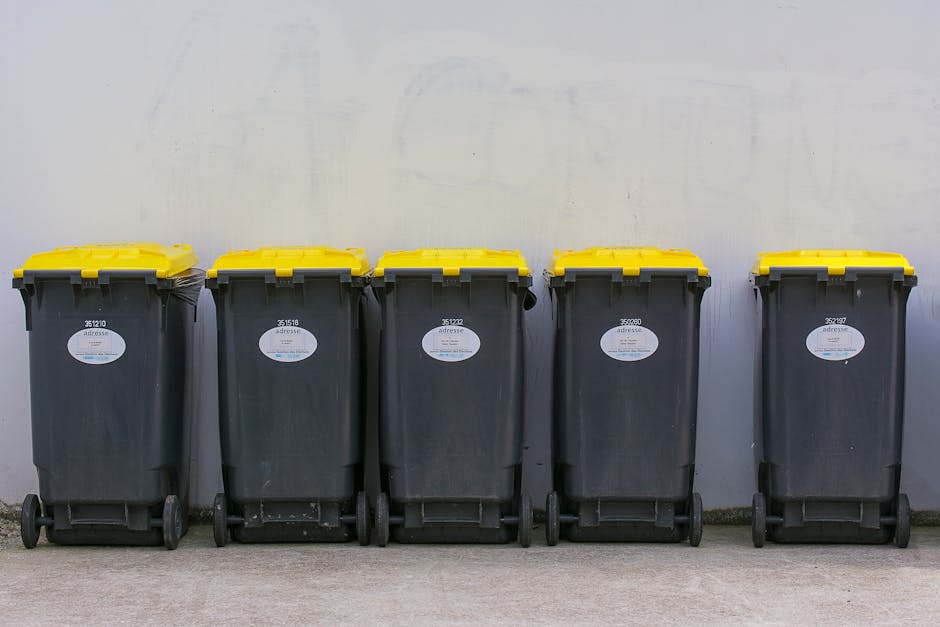
Permit and skip rules for SE11 cleaning waste disposal
If you are planning a clear-out, a deep clean, or a post-refurbishment tidy-up in SE11, the question usually comes up sooner than expected: do you need a permit, and what are the skip rules for SE11 cleaning waste disposal? It sounds straightforward until you are standing on a London street, dealing with parking restrictions, neighbours, and a pile of bags, broken fixtures, or plaster dust. Truth be told, that is where many jobs become awkward.
This guide breaks the topic down in plain English. You will learn when a permit is needed, how skip rules tend to work in practice, what kinds of waste matter, and how to avoid the kind of delays that can turn a tidy plan into a messy one. We will also cover sensible alternatives, compliance basics, and the small details people often miss. Because yes, the small details are usually the ones that bite.
If you want a broader view of cleaning services that often create waste in the first place, you may also find our pages on deep cleaning and after builders cleaning useful. They help explain the kinds of jobs where waste planning matters most.
Table of Contents
- Why Permit and skip rules for SE11 cleaning waste disposal Matters
- How Permit and skip rules for SE11 cleaning waste disposal Works
- Key Benefits and Practical Advantages
- Who This Is For and When It Makes Sense
- Step-by-Step Guidance
- Expert Tips for Better Results
- Common Mistakes to Avoid
- Tools, Resources and Recommendations
- Law, Compliance, Standards, or Best Practice
- Options, Methods, or Comparison Table
- Case Study or Real-World Example
- Practical Checklist
- Conclusion
- Frequently Asked Questions
Why Permit and skip rules for SE11 cleaning waste disposal Matters
In SE11, space is at a premium. Streets can be narrow, parking can be limited, and access can be a bit of a puzzle. That alone changes how cleaning waste disposal works. A skip that seems simple on paper may need permission if it sits on a public road, and even where a permit is not required, there are still practical rules about placement, loading, and safety.
This matters because cleaning waste is not just "rubbish." It can include soaked textiles, old carpets, packaging, broken shelving, bathroom fixtures, paint tins, dusty debris, and mixed waste from a renovation or end-of-tenancy clear-out. Put the wrong material in the wrong container and you can face extra charges, collection refusal, or a delay that throws off the whole job.
There is also the neighbour factor. Nobody enjoys stepping around a skip, a heap of bags, or a van blocking access first thing in the morning. A well-planned waste arrangement keeps the job smoother, tidier, and less stressful for everyone involved. That sounds obvious, but in real life, obvious things are the first to get skipped.
From a business point of view, proper planning helps cleaning teams protect floors, avoid damage, and finish faster. From a homeowner's point of view, it gives you peace of mind that the waste will be handled properly and that you are not taking unnecessary risks.
How Permit and skip rules for SE11 cleaning waste disposal Works
The basic idea is simple: if a skip or large waste container is placed on private land, you often have more flexibility. If it goes on a public highway, road, or pavement, a permit is typically required through the relevant local authority or through the skip provider managing the permit process. Exact arrangements can vary, so it is wise not to assume.
In SE11, the practical questions usually come first. Where will the skip sit? Can the lorry access the site safely? Will it block entrances, dropped kerbs, bus stops, or sightlines? Can the waste be loaded without creating a hazard? These are not just niceties. They affect whether the arrangement is workable at all.
Skip rules also tend to cover the type of waste accepted. General cleaning waste is usually different from hazardous or restricted items. For example, wet paint, solvents, asbestos-related material, batteries, gas canisters, and some electrical items need separate handling. If in doubt, pause and check before mixing everything together. A five-minute check now can save a very annoying conversation later.
Another practical piece is timing. Permits can take time to arrange, and some streets are busier at certain hours. A skip that is technically allowed but placed at the wrong time can still cause operational problems. In London, timing is not a minor detail; it is half the job.
What counts as cleaning waste?
Cleaning waste is a broad category, but it usually includes items such as bagged household rubbish from a deep clean, old mops and cloths, torn soft furnishings, packaging, dust and sweepings, and small quantities of non-hazardous debris. In a commercial setting, it may also include office clutter, carpet offcuts, and waste from clearing storage spaces.
Where people get caught out is when cleaning waste becomes mixed with construction waste. Once you have plaster, tile fragments, timber offcuts, or broken sanitary ware in the mix, the disposal route may change. That is normal, but it needs planning.
Why permits matter on public roads
A permit is less about red tape for the sake of it and more about managing public space safely. Roads in SE11 are used by cars, cyclists, pedestrians, delivery drivers, and residents with very little room to spare. A permit tells the authority that the skip location has been considered and approved, at least in principle, for a set period.
It also clarifies responsibility. If there is an issue with lighting, signage, or obstruction, there is a formal route for addressing it. Without that, everybody ends up pointing fingers, which is never a productive use of a Tuesday afternoon.
Key Benefits and Practical Advantages
Getting the permit and skip rules right does more than keep you compliant. It makes the whole waste disposal process calmer and more efficient. That is the part people notice after the fact, usually with a sigh of relief.
- Less disruption: Proper placement avoids blocked access and reduces complaints from neighbours or building users.
- Better cost control: A planned collection or skip hire is often cheaper than dealing with delays, redelivery, or disposal refusal.
- Safer working conditions: Correct placement and loading reduce trip hazards, sharp edges, and overfilled waste piles.
- Cleaner finish: Good waste management helps the cleaning itself look finished, not half-done.
- Lower stress: You are not improvising at the last minute, which is underrated, frankly.
For larger domestic jobs, especially something like an end of tenancy cleaning, the waste side can become just as important as the cleaning itself. Landlords and tenants both tend to notice the difference when the place is left tidy, not just clean.
There is another advantage that gets overlooked: reputation. For commercial properties, office managers and facilities teams remember when a contractor plans properly. The work feels smoother, less noisy, less chaotic. Small thing, but it matters.
Who This Is For and When It Makes Sense
Permit and skip rules for SE11 cleaning waste disposal are relevant to a fairly wide group. If your job produces more than a few bin bags, it is worth thinking through early.
- Homeowners dealing with deep cleans, decluttering, or post-renovation mess.
- Tenants and landlords handling end-of-tenancy clear-outs or move-out cleaning.
- Letting agents who need properties reset quickly and neatly.
- Office managers disposing of cleaning waste during a reset, refit, or closure.
- Cleaning contractors organising waste removal alongside the clean itself.
- Builders and decorators who leave behind mixed debris that must be handled properly.
It makes sense to plan for a permit or skip when access is tight, waste volume is moderate to high, or the job spans more than one day. It also makes sense when the waste is awkward to carry by hand, or when frequent trips to a tip would eat up time and energy. Let's be honest, nobody wants to spend half a day shuttling bags in and out of a van if it can be avoided.
If you are working on a larger property or a shared building, you should also factor in shared access rules, loading windows, and the views of residents or neighbours. A building can be perfectly suitable for a skip in theory and still be a terrible idea in practice.
Step-by-Step Guidance
If you are figuring this out for the first time, keep it simple. The safest approach is usually the one that starts with the waste, not the skip. Here is a practical way to tackle it.
- List the waste types. Separate general cleaning waste, bulky items, soft furnishings, and anything that could be classed as restricted or hazardous.
- Estimate the volume. A few bags may need only a small collection plan, while a full clear-out may justify a skip or scheduled removal.
- Check access. Measure gate widths, note any low walls, and think about where a skip lorry can safely stop.
- Decide where the container will sit. Private land is usually easier. Public highways usually need a permit.
- Confirm permit needs early. Do not leave this until the day before. Permits and approvals can take time.
- Arrange signage and safety measures. Visibility, lighting, and safe placement matter, especially if the skip is on or near a road.
- Load waste correctly. Keep it level, avoid overfilling, and separate anything restricted.
- Schedule collection or removal. Try to time this so the waste does not sit longer than needed.
A small real-world example: a flat renovation in SE11 might produce old carpet, underlay, packaging, and a surprising amount of dust-filled cleaning cloths. If the skip is placed on the street without planning, collection may be held up. If it is arranged two days earlier with the right permit and a clear loading plan, the whole thing feels oddly easy. Almost suspiciously easy. That is usually a good sign.
A practical order of operations
When timing matters, I like this order: assess the waste, check the access, confirm the permit, then book the collection. Reverse that and you risk booking a container before you know where it can actually go. And yes, people do that more often than you would think.
Expert Tips for Better Results
After enough cleaning and clearance jobs, a pattern becomes obvious: the smoothest jobs are the ones where waste planning was treated as part of the clean, not an afterthought.
- Separate waste at source. Keep general rubbish apart from anything sharp, wet, or potentially hazardous.
- Think in zones. Create a loading area near the exit so waste moves out in one direction only.
- Use the right size container. Too small and you pay in extra trips. Too large and you may pay for space you never use.
- Protect the property. Boards, corner guards, and floor protection help if bags or debris pass through tight hallways.
- Communicate with neighbours or building management. A quick heads-up can prevent avoidable friction.
- Keep a photo record. Useful for handover, disputes, or simply keeping track of what was removed.
One thing people often forget is weather. A wet London morning can turn loose cardboard, paper, or cloth waste into a soggy nuisance very quickly. Covering the load properly is not glamorous, but it is sensible.
Another tip: if the job includes house clearance as well as cleaning, decide in advance which items are being reused, donated, recycled, or disposed of. Sorting on the fly tends to slow everything down.
Common Mistakes to Avoid
Most problems with skip and permit rules are not dramatic. They are ordinary mistakes that snowball. The good news is they are easy to avoid once you know what to watch for.
- Assuming a permit is not needed. If the skip touches public space, check before booking.
- Mixing restricted waste with general rubbish. This can lead to refusal or extra charges.
- Underestimating access issues. A container may be legal but still impossible to deliver safely.
- Leaving it to the last minute. This is the classic one. The permit, the booking, the waste sort, all of it.
- Overfilling the skip. It may seem harmless, but it affects transport safety and may breach collection rules.
- Ignoring neighbours and traffic flow. A skip on a busy street without thought can create unnecessary tension.
There is also the "we'll just sort it later" habit. Later has a habit of becoming never. Or at least becoming more expensive. A little blunt, but true.
Tools, Resources and Recommendations
You do not need a warehouse of specialist kit to manage cleaning waste well, but a few practical tools help enormously.
- Heavy-duty waste sacks: Better for mixed light debris and cleaning residue.
- Trolleys or sack trucks: Helpful where bags need to move through narrow hallways or shared entrances.
- Gloves and basic PPE: Important if waste includes sharp or dirty materials.
- Floor protection: Especially useful in flats, offices, and freshly cleaned spaces.
- Labels or coloured bags: Handy when separating waste streams quickly.
- Measuring tape: Simple, but useful when checking whether a skip or container can fit.
For service planning, it can also help to review your provider's practical policies. Our pages on health and safety policy, insurance and safety, and recycling and sustainability explain the kind of standards that matter when waste handling is part of the job.
If payment or booking details are still in the air, the pages on pricing and quotes and contact us can help you move from planning to action without bouncing around too much.
Law, Compliance, Standards, or Best Practice
Waste disposal in the UK is not something to leave vague. The exact legal responsibilities can vary depending on the waste type, site conditions, and how the material is collected or transferred, so it is sensible to treat compliance as a live issue rather than a box-ticking exercise.
At a practical level, best practice usually means keeping waste identifiable, separating potentially hazardous material, using reputable carriers or collection methods, and ensuring any skip or container on public land is properly authorised. If you are a business, you also want a clear paper trail. Not because paperwork is exciting. It is not. But because records matter when something needs to be checked later.
In shared buildings or commercial settings, health and safety expectations often become part of the waste plan too. That can include clear access routes, visible placement, reduced slip and trip risks, and sensible storage while waste is awaiting collection. Small things, but they stack up.
If you are unsure whether a specific material is restricted, it is best to treat it cautiously and seek proper guidance before disposal. That is especially true for anything wet, chemical, sharp, or mixed with renovation debris. A cautious pause beats a disposal mistake nearly every time.
For company-level assurance, it is also wise to review documentation such as terms and conditions and payment and security so you know what is included, what is not, and how any extra waste-related charges are handled.
Options, Methods, or Comparison Table
There is no single perfect way to handle SE11 cleaning waste. The right option depends on volume, access, urgency, and the type of waste involved. This table gives a straightforward comparison.
| Method | Best for | Pros | Watch-outs |
|---|---|---|---|
| Small bagged collection | Light cleaning waste and short jobs | Simple, flexible, minimal disruption | Not ideal for bulky or mixed waste |
| Skip on private land | Homes, driveways, yards, and sites with space | No public-road permit usually needed, easy loading | Needs enough space and safe access |
| Skip on public road | Tight SE11 properties with no private access | Practical where road placement is the only option | Permit required, more rules, more planning |
| Scheduled waste removal | Mixed clear-outs or jobs with time pressure | Good for larger or irregular waste volumes | Timing must match the clean and access windows |
If you are weighing up options for a home project, it can help to look at the broader service too. For example, one-off cleaning and domestic cleaning often involve different waste patterns from an office reset or a post-build tidy. The waste plan should match the job, not just the postcode.
Case Study or Real-World Example
Picture a SE11 flat that has just had new flooring and a deep clean. The old underlay, packaging, tape, dirty cloths, and a few bits of broken trim all need removing. There is no driveway, only a narrow street and a shared entrance. The first instinct might be to book the skip and hope for the best. That is where problems begin.
A better plan is to assess the waste stream first. General cleaning waste can go in bagged loads, while heavier debris is separated. The access route is checked, the likely skip position is confirmed, and the permit requirement is reviewed before anything is delivered. The collection is timed so the street does not have a skip sitting around longer than needed.
The outcome is boring in the best way. No drama. No awkward neighbour complaint. No last-minute reshuffle because a lorry could not stop safely. The job finishes on time, the property is left tidy, and the client does not have to think about the waste again. That is really the standard you want.
In practice, the most successful jobs are rarely the fanciest. They are the ones where someone paused for ten minutes and said, "Right, what exactly are we throwing away, and where is it going?"
Practical Checklist
Use this checklist before arranging permit and skip rules for SE11 cleaning waste disposal:
- Identify the type of cleaning waste you have.
- Separate general waste from hazardous or restricted items.
- Estimate the total volume honestly.
- Check whether the skip will sit on private land or public space.
- Confirm whether a permit is needed.
- Measure access routes, gates, and delivery points.
- Plan loading so the waste is easy to move and safe to handle.
- Protect floors, walls, and entry points where needed.
- Arrange collection or removal timing in advance.
- Keep notes or photos of what was disposed of.
Quick expert summary: if access is tight, waste is mixed, or the street is busy, plan earlier than you think you need to. That one habit solves a surprising amount of trouble.
Conclusion
Permit and skip rules for SE11 cleaning waste disposal are not complicated once you break them into the practical parts: what the waste is, where the container will go, whether a permit is needed, and how the site will stay safe and manageable. The jobs that run well are usually the ones that respect those basics from the start.
Whether you are dealing with a home deep clean, a tenancy handover, or a larger commercial reset, the same principle holds: plan the waste route as carefully as the cleaning itself. It saves time, protects the property, and keeps everyone calmer. And honestly, calmer is underrated.
Get a free quote today and see how much you can save.
With a little planning, even a messy job can end on a tidy note, and that is a satisfying thing to walk away from.
Frequently Asked Questions
Do I need a permit for a skip in SE11?
If the skip is placed on public land such as a road or pavement, a permit is usually required. If it is on private land, such as a driveway or forecourt, a permit may not be needed. The exact situation depends on access and placement, so it is best to check before booking.
What kind of waste counts as cleaning waste?
Cleaning waste usually includes bagged rubbish, dust, cloths, packaging, old soft furnishings, and small amounts of non-hazardous debris. Once the waste includes renovation debris, sharp items, or chemical products, it may need different handling.
Can I put mixed waste in a skip?
Sometimes, yes, but only within the rules of the skip provider and the waste type allowed. Mixed waste can be more expensive to process, and restricted items should be kept out entirely. If you are unsure, separate the waste first.
How long does a skip permit take to arrange?
That can vary depending on the authority, the provider, and how busy the area is. In practice, it is wise not to leave it until the last moment. Early planning is much safer than hoping for a same-day solution.
What happens if I place a skip without the right permit?
You may face removal delays, fines, or other enforcement action, depending on the situation. At the very least, it can create a headache with neighbours or the local authority. It is one of those problems that grows quickly.
Are there restrictions on what can go into a cleaning waste skip?
Yes. Hazardous items, certain chemicals, batteries, and some electrical or contaminated materials often have separate disposal rules. Skip providers usually have guidance on what is and is not accepted, and it is sensible to check before loading.
Is a skip always the best option for SE11 cleaning waste?
Not always. For smaller jobs, bagged collection or scheduled removal may be easier and cheaper. For larger clear-outs, a skip can be the most practical choice. It really depends on volume, access, and time pressure.
How can I reduce waste disposal costs?
Sort waste properly, avoid overfilling, choose the right container size, and separate anything that needs special handling. Good planning tends to lower costs more effectively than trying to squeeze everything into one rushed booking.
What if my property has no driveway or private space?
That is common in SE11. In those cases, you may need a skip on the road with the proper permit, or another collection method that suits the access constraints. The key is to plan around the street layout rather than against it.
Can cleaning teams arrange the waste removal for me?
Yes, many can help coordinate it as part of the job. That can be useful if you want one team handling both the clean and the waste. Just make sure the scope, responsibilities, and any extra charges are clear from the start.
Do I need to separate recyclable material?
It is usually a good idea. Separating recyclable material can make disposal more efficient and may support better environmental practice. It also helps prevent perfectly reusable material from being mixed into general waste.
What should I do with waste from a deep clean after builders work?
Keep it separate from ordinary household cleaning waste where possible. After-builders jobs often include dust, plaster residue, packaging, and small debris that need a different approach from routine cleaning rubbish. If the mix is heavy or awkward, review the disposal method before starting.